Pompeii:
Guide or Independent?
Pompeii is a city-sized archaeological landscape, not a single monument with one obvious route. A guide can help connect its streets and stories; independent exploration gives you control over pace and attention. Either way, plan for the scale and verify admission separately.
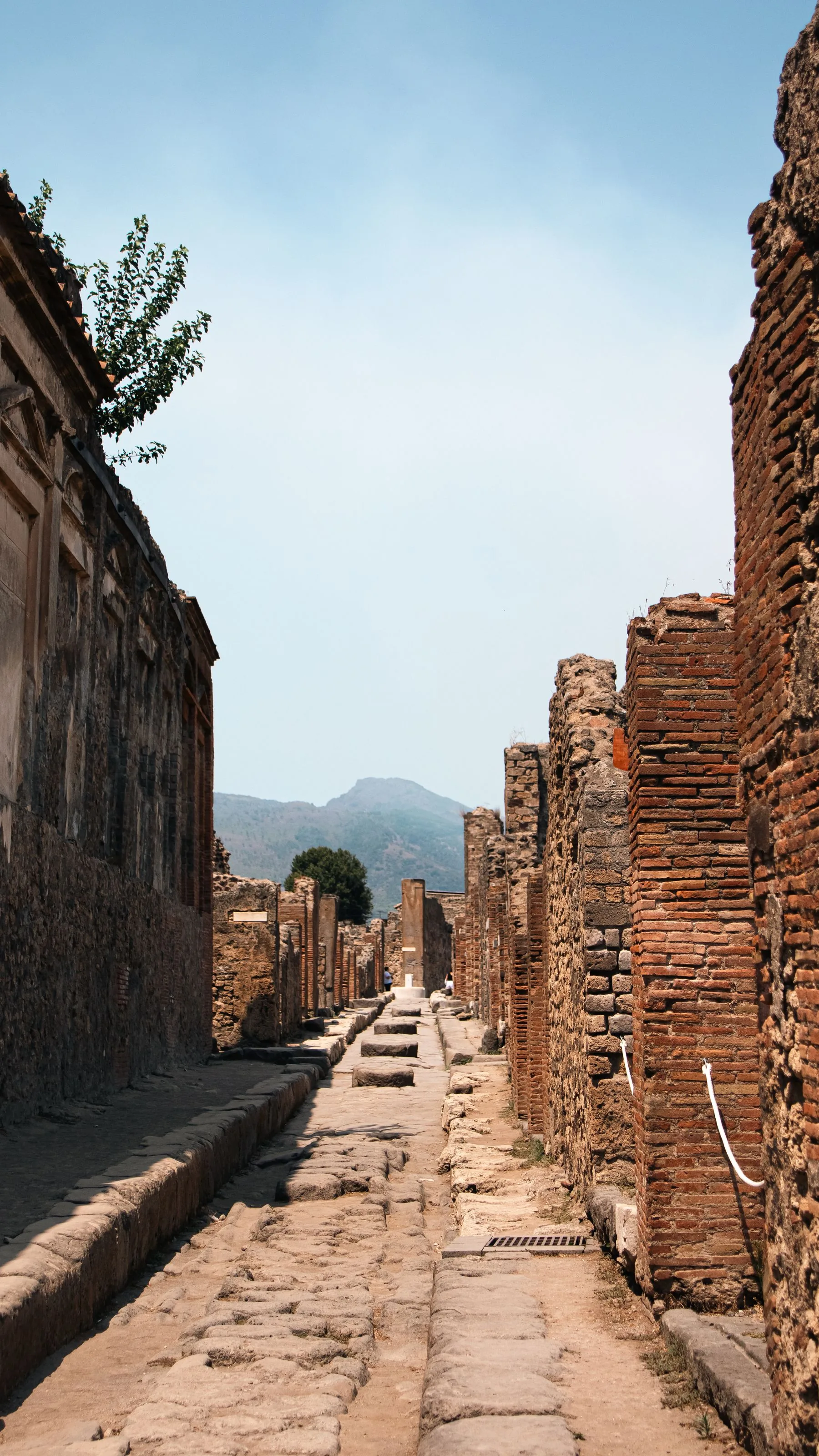
The ruins of Pompeii are compelling precisely because they are more than a collection of famous buildings. A street, shopfront, courtyard or wall can reveal how a Roman town worked, but those clues are spread across a large site. The decision between a guide and going independently is therefore about interpretation and navigation as much as personal preference.
This is a comparison of visit styles, not a ticket-sales page. Admission is managed by the park, and a guide does not replace official entry, security or site rules. Start with the Pompeii overview, check current visitor information, and use the park’s official timetable and ticket information for the arrangements applying to your date.
What a guide can bring to the ruins
A good guide turns individual observations into a connected picture. The traces of homes, public spaces, commerce, infrastructure and decoration are easier to understand when someone explains how they fit into urban life. Context can also help distinguish what is securely known from what archaeologists infer, and why preservation or ongoing research affects what you can see.
Guided interpretation may be useful if this is your first visit, if you have limited time to orient yourself, or if your group wants a shared narrative rather than separate reading. You can ask questions as they arise and let the guide make choices about sequence. Before arranging any guiding service, confirm the guide’s credentials, language, meeting point, duration and exactly what is included. Those service terms are separate from the park’s entry conditions.
Guidance does not promise a particular route through every open area, access to spaces that are closed, or a way around ticket checks and queues. The archaeological park controls access and visitor movement. Treat an explanation as a way to make sense of what is available on the day, not as a guarantee of entry or timing.
The pleasure—and work—of going independently
Independent visitors can linger where curiosity leads: compare the scale of a street with a domestic interior, look for traces of decoration, or pause to consider the relationship between buildings and public space. You can change pace, take breaks and follow your own interests without keeping to a group’s sequence.
That freedom rewards a little preparation. Read our Pompeii history guide before arrival, choose a few themes rather than attempting to see everything, and have a map or orientation plan ready. The official guide to visiting the excavations describes the park’s three entrances. Think about which entrance fits your transport and intended starting area, then verify the current entry instructions before setting out.
The site’s size can make unplanned wandering tiring. Streets that appear close together on a map may take time to reach on foot, and the best route can depend on what is open. Focus on a manageable area and a few meaningful stops rather than treating coverage as the measure of a successful visit. Our Pompeii guide provides a broader orientation.
A practical way to choose
- Choose a guide if historical interpretation, a coherent route or conversation will deepen the visit for you.
- Go independently if you enjoy self-directed discovery and are comfortable preparing a route.
- For either approach allow time for walking, rest, entry procedures and changes to access.
- Check accessibility against official information and your own needs before committing to a route.
Navigation is part of the experience
Pompeii’s entrances and internal routes matter because the excavations cover a broad area. There are three entrances, as described by the park, and choosing one affects where you begin—not what any private guiding arrangement can guarantee. Consult current park directions and transport information together rather than assuming every route starts at the same gate.
Accessibility also deserves direct planning. The park’s Pompeii for All accessible route information explains a dedicated route designed to improve access. Surfaces, distances, facilities and individual requirements still need consideration; contact the official park if you need specific current details. A guide can offer assistance or context, but should not be assumed to provide an accessible route or replace the park’s own guidance.
For archaeological and historical context, UNESCO’s World Heritage listing for the Archaeological Areas of Pompei, Herculaneum and Torre Annunziata explains the site’s wider significance. Our history article translates some of that context into a visitor-friendly introduction. These perspectives can prepare you whether you prefer a live interpretation or your own observations.
Keep official entry separate from interpretation
The park’s ticket information describes the available admission types and directs visitors to Vivaticket for online purchase. Ticket categories and conditions can change, so compare the current official options with the areas you intend to visit. The park also states that re-entry is not allowed after leaving. Build that rule into your route, breaks and transport plans instead of assuming you can exit and return later.
A guide service, transfer or itinerary should not be mistaken for park admission unless the written terms explicitly establish what it includes—and official requirements still apply. No arrangement guarantees a queue-free entry or bypasses security checks. For transaction-specific information, visit our official Pompeii tickets information page, then confirm the live terms on the park’s own channels.
Let your interests set the pace
Before arriving, decide what you most want to understand: daily life, architecture, public infrastructure, conservation or the eruption of AD 79. A guide may help connect those subjects across the landscape; independent preparation can make your own discoveries more rewarding. Neither approach needs to become a race through a checklist.
For a seasonal perspective, see when to visit Pompeii. If you are considering another archaeological site, our Pompeii and Herculaneum itinerary guide explains why they deserve distinct plans. These three journal articles work alongside the Pompeii overview, history guide, visitor information and official Pompeii tickets page; each serves a different planning purpose.
Prepare for the site, not a script
Check current park access and choose the balance of context and independence that suits you.
Visitor InformationSources & Verification
Guiding arrangements, park access, ticket categories and visitor conditions can change. This article does not promise a route, queue-free entry or re-entry; confirm current details with the park.
- Official Pompeii park timetables, tickets and Vivaticket
- Official guidance on visiting the excavations and entrances
- Pompeii for All accessible route
- UNESCO World Heritage listing
Last Reviewed: 27 September 2026