When to Visit
Pompeii
The season changes how a long walk through Pompeii feels: heat, shade, daylight and visitor movement all matter. Think in terms of comfort and flexibility rather than trying to find a date or hour that guarantees quiet streets.
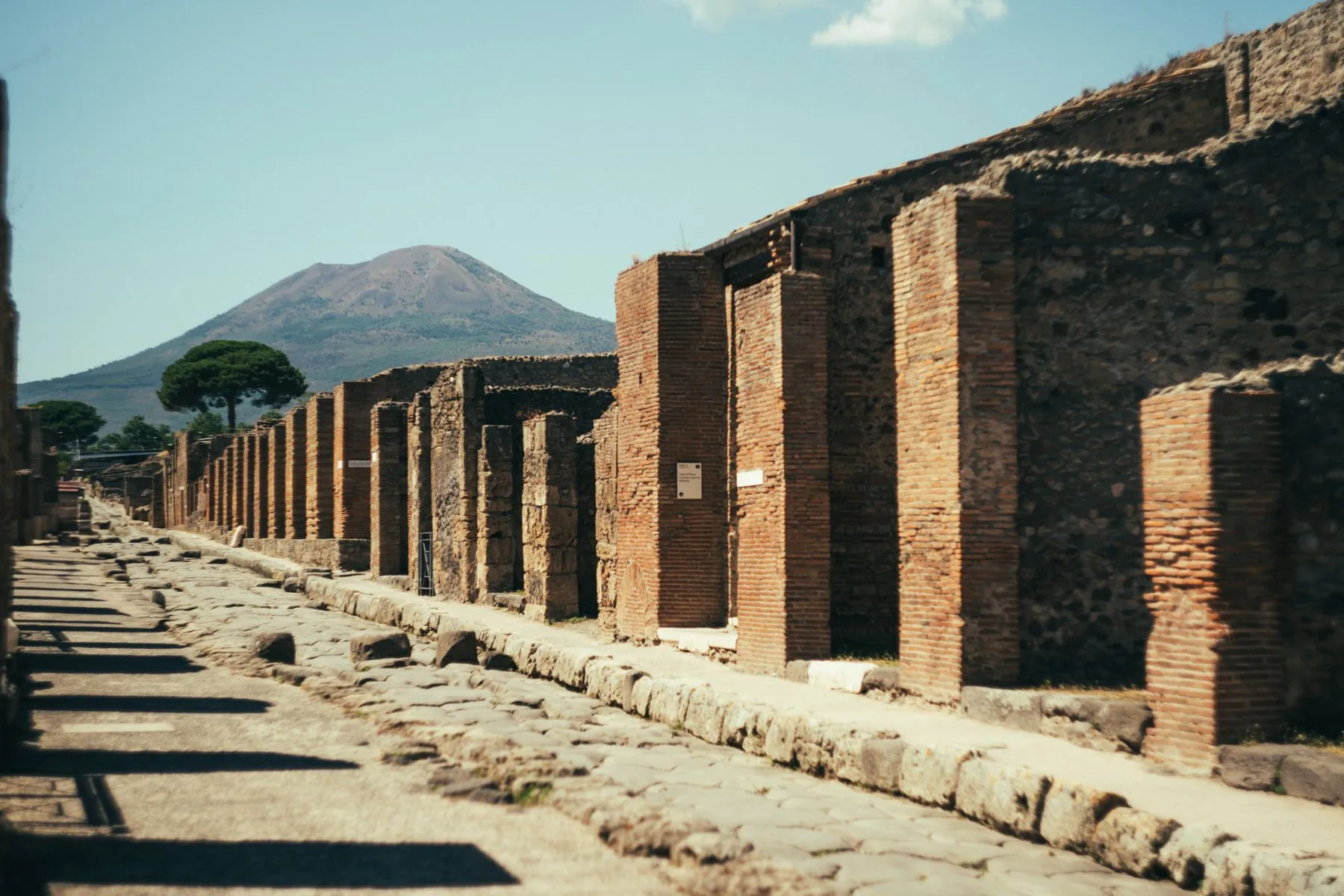
There is no universally best time to explore Pompeii. The archaeological area is extensive and largely outdoors, so the combination of temperature, direct sun, the amount of shade available along your route and the hours of daylight can shape your energy as much as the calendar does. Visitor numbers vary too, and no season or arrival time guarantees a quiet visit.
Think first about your comfort, mobility and how much ground you want to cover. Pompeii is not a quick indoor stop: walking, pauses and orientation are part of the visit. Our Pompeii overview explains the site, while visitor information and the park’s official timetable and ticket page are where to verify current access details.
Hot periods: plan around exposure
During hot weather, long stretches on open streets and exposed paving can make an extensive itinerary demanding. Shade is not continuous across the excavations, and the amount you find will depend on the areas you visit. Consider heat tolerance, hydration, suitable clothing and the needs of anyone travelling with you. Follow the park’s current rules about what you may bring, and do not assume that a particular service or facility will be available without checking.
A cooler part of the day may feel more comfortable than the strongest sun, but there is no arrival hour that promises an easy entry, low crowds or suitable temperatures. The site’s opening and closing arrangements can vary with season and official decisions. Check the live official timetable close to your visit and leave enough flexibility to change your route or take a break.
In warm conditions, it may be wiser to choose a smaller area and spend time looking carefully than to set an ambitious list of distant stops. If heat creates a health concern for you or a companion, reconsider the date or seek current advice from the park rather than relying on a rushed schedule.
Cooler seasons and shorter daylight
Cooler months can make extended outdoor walking more comfortable, but they do not eliminate the need to plan. Daylight hours change through the year, and your usable time depends on the park’s current opening arrangements, entry procedures and how much ground you intend to cover. Start with the official hours for the date rather than an old timetable or an assumed full day.
Weather can change the character of the ruins. Cloud, rain or wind may affect how long you want to stay outdoors, while cooler temperatures can make it easier to pause and explore at a measured pace. Conditions are not predictable simply from a season label. Check a forecast near the date and carry layers or rain protection appropriate to it.
In every season, daylight is only one part of the equation. A late start can leave less time for a sprawling site, but an early arrival does not guarantee a quiet or queue-free experience. Combine the day’s official access window with a realistic sense of walking distance.
Make a weather-aware plan
- Choose a season for your own comfort, not a promise of perfect conditions.
- Check the forecast near travel and allow for sun, rain or temperature changes.
- Match the planned walking distance to the available daylight and current park hours.
- Keep breaks and route changes possible; do not count on an uncrowded time.
Crowds move with the calendar—and the day
Visitor levels can be affected by weekends, holidays, school breaks, tour groups, weather and wider travel patterns. These factors do not combine in a dependable formula. A date that seems less popular can still have busy areas, and a quieter entrance does not mean every street or building will be quiet. The movement of visitors shifts as people follow different routes through the excavations.
Instead of seeking a guaranteed low-crowd period, prepare to share the space. Build a buffer into plans after Pompeii, expect to pause in popular areas, and follow staff directions. If you want photographs, allow for other visitors in the scene and be considerate of access and conservation needs. Avoid making a tight onward commitment depend on a predicted queue length.
Hours and access are seasonal, not fixed assumptions
The archaeological park publishes its current timetable and ticket conditions through its official visitor information. Opening and closing hours may change seasonally or in response to official notices, so a general article cannot provide a dependable schedule for every date. Verify the current details close to travel; check again if your plans are made well in advance.
The same official page explains the park’s ticket categories and online purchasing through Vivaticket. It also states that re-entry is not allowed after leaving. That has practical consequences for when you take breaks and how you organize your route. Check ticket scope and conditions directly before purchase; no ticket or service should be assumed to guarantee a particular queue time or entry experience. For a focused overview, see official Pompeii tickets information.
Build the visit around what you want to notice
A useful plan begins with a question rather than an ambitious checklist. You may want to understand the city’s street layout, look closely at domestic spaces, or connect the remains to the events of AD 79. Read our Pompeii history guide for context and use the official excavation visit guidance to think through entrances and orientation. For accessibility, review the park’s Pompeii for All route information and confirm details that matter for your own visit.
If interpretation would help you make connections across the ruins, compare it with independent exploration in our guide-or-independent article. Planning for a second site? The Pompeii and Herculaneum itinerary guide considers their very different scale and logistics. All three journal pages complement the practical Pompeii overview, history page, visitor information and official Pompeii tickets guide.
Whatever the date, leave room for the actual conditions. A thoughtful visit can be rewarding in changing light, variable weather or a busy period when the plan is realistic and your attention is not fixed on finishing a list.
Check conditions near your visit
Use the park’s current information to plan around hours, access and your own comfort.
Visitor InformationSources & Verification
Weather, daylight, opening arrangements and visitor levels vary. This article gives no fixed hours, prices or guaranteed quiet periods; verify the official details for your date.
- Official park timetables, tickets and access conditions
- How to visit the excavations and park entrances
- Pompeii for All accessibility information
- UNESCO World Heritage listing
Last Reviewed: 27 September 2026