01 / CONTEXT
Begin at the visitor centre
The exhibition and reconstructed Neolithic houses introduce the people and techniques behind the monument. Use the facilities here before setting out for the stones; there are no toilets by the circle.
The silent measure of time on the Salisbury Plain.
Affiliate link: we may earn a commission if you book through Tiqets.
The Monument
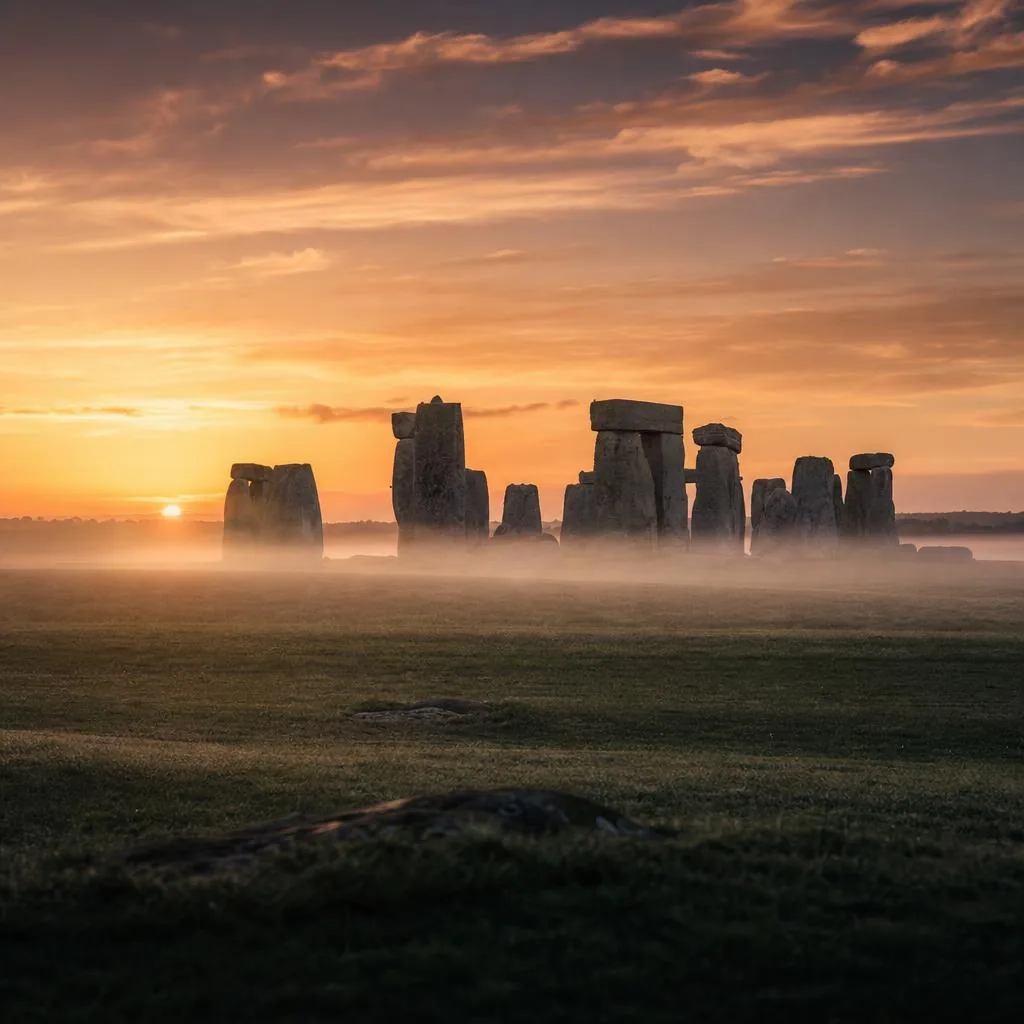
Designated as a UNESCO World Heritage site, Stonehenge sits resolutely on the chalk downland of Wiltshire, near Salisbury. As the most architecturally sophisticated prehistoric stone circle in the world, its origins remain a subject of deep study and quiet reverence.
A visit today is carefully structured to protect the landscape. Guests typically begin at the visitor centre, which houses a permanent exhibition displaying hundreds of prehistoric objects and reconstructed Neolithic houses that offer insight into the lives of the monument's builders. From the centre, you can either take the dedicated shuttle bus or follow the walking route across the plains to the stones themselves.
Standard entry allows you to view the monument from a designated path that circles the great sarsens. It is important to note that inner-circle access—walking directly among the stones—is a highly regulated, separate experience that is not included with a standard day ticket.
The setting is as important as the stones: the Avenue, burial mounds and open downland help explain why this place was used and revisited over centuries. Start with the exhibition, then take time to observe the monument from more than one point along the path. Our Stonehenge history guide gives context to the changes that shaped the circle.
Essential Context
Location & Timing
Wiltshire, England. Expect to spend roughly 2 to 3 hours on site to absorb the exhibition and the landscape without rushing.
When to visit
Summer months, school holidays, and weekends draw significant crowds. Earlier or later bookable times often feel less compressed. Opening times change seasonally.
Facilities
All practical facilities (toilets, café) are at the visitor centre. There are no facilities at the stones.
Visitor guide
Stonehenge is more than a roadside view of standing stones. A rewarding first visit moves between the visitor centre, the approach across the plain and the monument itself. What you can see depends on the weather and the time you have, so choose a pace that leaves room to take it in.
01 / CONTEXT
The exhibition and reconstructed Neolithic houses introduce the people and techniques behind the monument. Use the facilities here before setting out for the stones; there are no toilets by the circle.
02 / APPROACH
Take the shuttle or walk if conditions and mobility allow. The open setting puts the stone circle in relation to the wider ceremonial landscape, rather than treating it as an isolated photo stop.
03 / MONUMENT
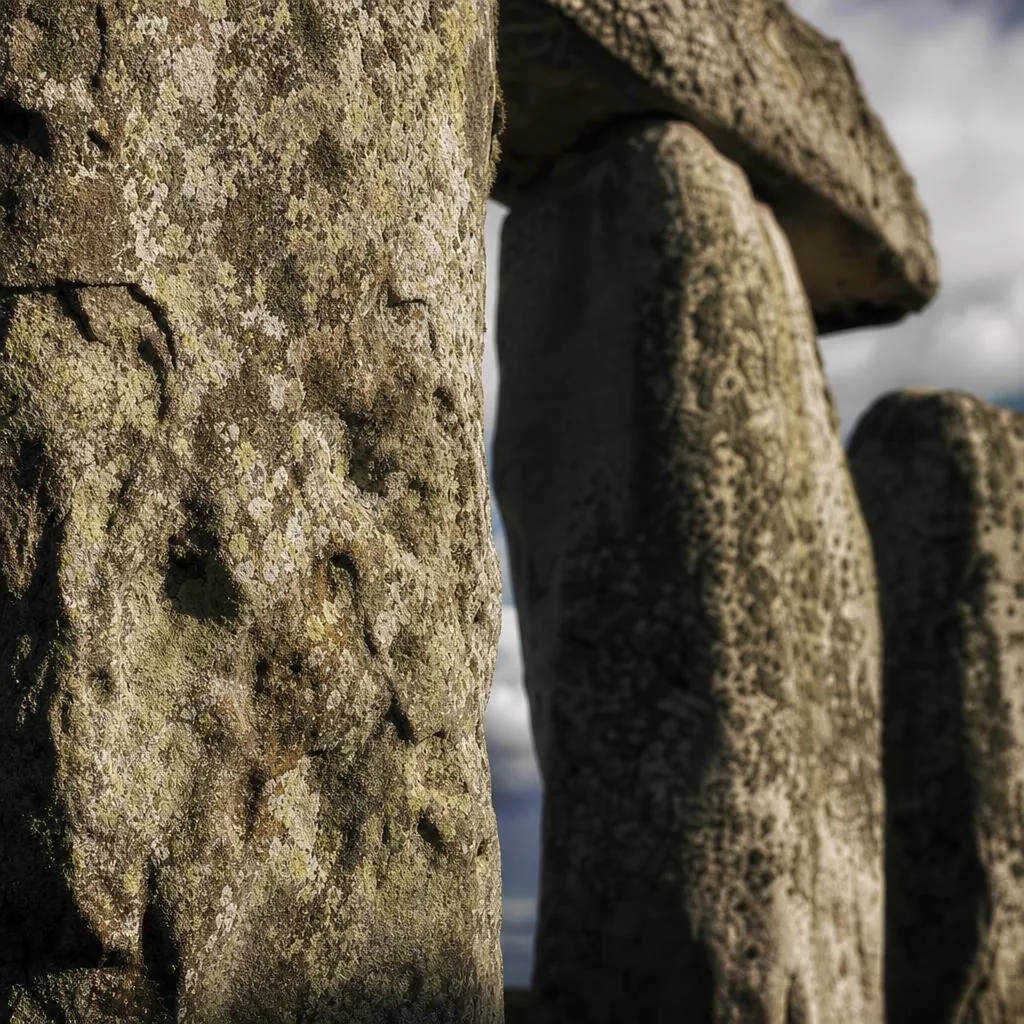
The designated path offers changing views of the sarsens and lintels. Ordinary admission does not mean walking among the stones; enjoy the structure and the horizon from the public route.
For directions from Salisbury, weather preparation, accessibility and the shuttle, read the Stonehenge visitor information guide. If your dates are flexible, our seasonal visiting guide explains how conditions change the experience.
Explore Further
Detailed guidance on how to navigate the site, secure entry, and understand the history embedded in the stones.
Common Questions
Independent Guidance
Noble Voyages acts as an independent editorial guide. We are not the official Stonehenge operator. To ensure our readers have reliable access, we direct booking intent to trusted third-party partners.
Availability, entry conditions, and exact pricing fluctuate by season. We advise all visitors to verify live details directly before making travel arrangements.