Best Time to Visit Stonehenge:
Light, Season & Solstice
The monument changes entirely based on when you observe it. Guidance on anticipating crowds, managing the weather, and planning your arrival time.
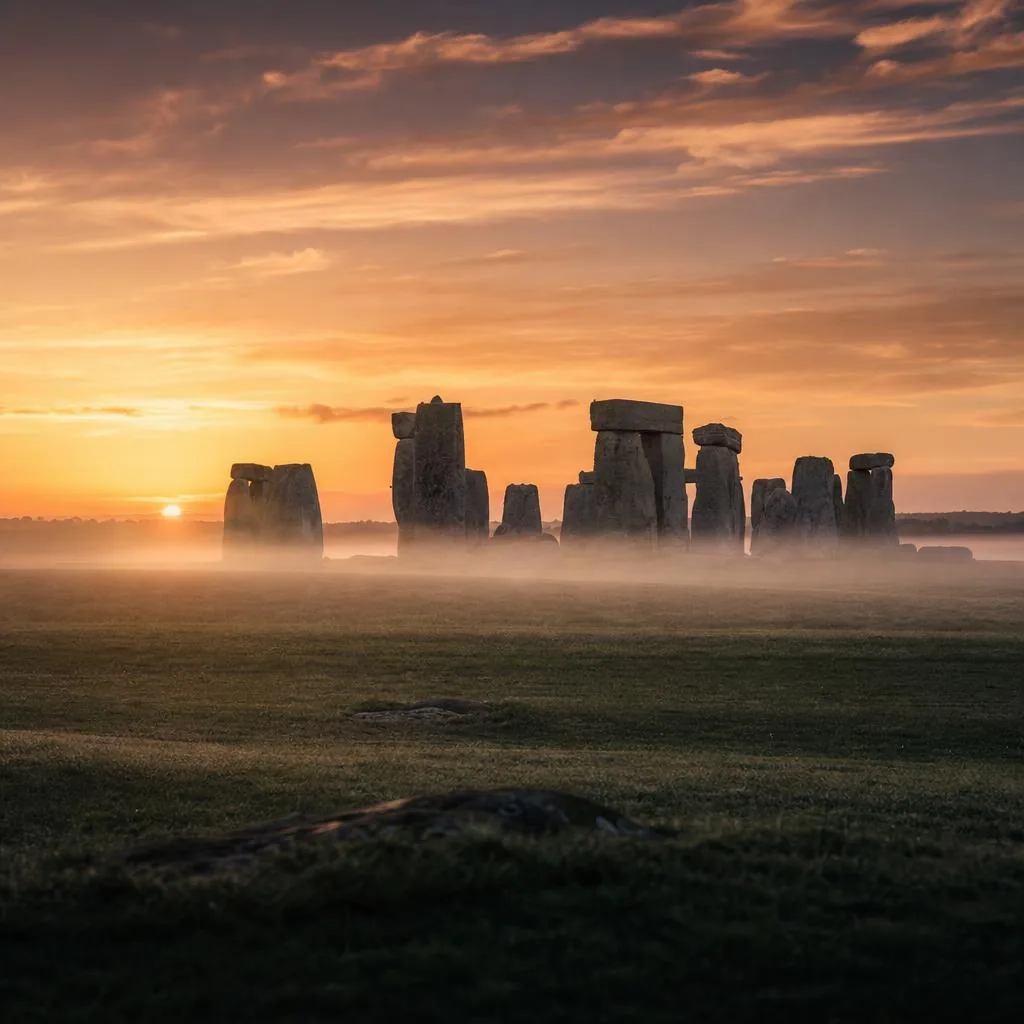
Stonehenge is not a static object inside a climate-controlled museum; it is a monument entirely subjected to the sky. The atmosphere of a visit is inextricably linked to the weather of the Salisbury Plain, the angle of the sun, and the volume of other visitors sharing the path.
Determining the "best" time to visit requires deciding what kind of experience you are seeking. Do you prioritise warmer weather, lower crowd density, or the dramatic lighting of the golden hours?
Morning vs Afternoon
The middle of the day can feel busiest because independent visitors and organised tours overlap. Exact patterns vary by date, weather and special events, so treat timing as a planning advantage rather than a guarantee of quiet.
If your schedule permits, booking the earliest possible entry time is often the most rewarding approach. The air is frequently cooler, the light is oblique and casts long, defining shadows across the sarsens, and the volume of conversation is noticeably lower.
Conversely, arriving late in the afternoon—several hours before closing—offers a similar respite. As the larger groups depart, the site regains a measure of quiet, and the setting sun can illuminate the stones with striking warmth.
Seasonal Considerations
Summer (June to August): Longer daylight and generally milder conditions make this a popular period. It can also bring more visitors. Standard admission tickets are currently valid all day within opening hours; check the seasonal schedule and any separate timed-tour instructions.
Winter (December to February): A winter visit demands endurance. The Salisbury Plain is a highly exposed chalk plateau; winter winds here cut sharply, and rain is a persistent threat. Yet, for those prepared with appropriate clothing, a stark winter visit can be profoundly atmospheric. The bleakness of the landscape isolates the stones, enhancing their massive scale and isolation.
The Shoulder Seasons: Spring and autumn can offer a useful balance between daylight, weather and visitor numbers. Conditions remain changeable, and the exposed landscape rewards waterproof layers in any season.
The Solstice Caveats
Stonehenge’s solstitial alignment makes the summer and winter solstices especially significant. UNESCO describes Stonehenge as part of an extensive cultural landscape whose monuments and setting must be understood together.
Access arrangements around the solstices differ from an ordinary ticketed day and can change from year to year. English Heritage publishes specific event notices, transport information and restrictions for each occasion.
If you want a conventional historical visit, check the official calendar before choosing dates around either solstice. Do not assume that normal tickets, parking or opening arrangements will apply.
How Long to Spend
A critical part of planning your arrival is knowing how much time you will require. A realistic, unhurried visit generally occupies 2 to 3 hours.
This duration allows sufficient time to view the comprehensive exhibition at the visitor centre, inspect the reconstructed Neolithic houses, take the shuttle (or undertake the landscape walk) to the stones, and circumnavigate the monument thoroughly. Attempting to compress this into a shorter timeframe results in an exercise in transit rather than observation.
Weather and What to Bring
Salisbury Plain is open and exposed, with limited shelter near the stone circle. Check the local forecast shortly before travelling, but prepare for conditions to change. A waterproof outer layer, secure footwear and sun protection can all be appropriate on the same British summer day.
The visitor centre provides the main indoor facilities. Once you travel toward the monument, the experience is primarily outdoors. Visitors with access needs should review the latest official guidance, particularly when strong wind, heavy rain or ground conditions may affect the landscape route.
Choosing Your Arrival Time
Start with the current opening hours, then work backwards from your transport. Independent travellers arriving through Salisbury need enough margin for the onward bus or taxi. Coach travellers should examine the complete itinerary rather than selecting a product solely by departure time.
An early or later bookable arrival may create softer light and a calmer atmosphere, but there is no permanently quiet hour at a world-famous monument. The best time is the one that gives you enough daylight, a realistic journey and sufficient time on site. If travelling from the capital, compare the logistics in our Stonehenge day trip from London guide.
Align Your Visit
Once you have determined your preferred season and time of day, verify current availability to secure your arrival slot.
Sources & Verification
Planning guidance is structured around historical visitor patterns and the monument's fixed geographical reality. Exact operating hours are omitted, as these vary by season and year.
- UNESCO World Heritage: Stonehenge, Avebury and Associated Sites
- English Heritage: Stonehenge Visit Information
Last Reviewed: 4 October 2026