When to Visit
Mont-Saint-Michel
Tide, daylight and visitor numbers each shape the day, but none can be reduced to a guaranteed “perfect” hour. Plan for a changing bay and keep your schedule flexible.
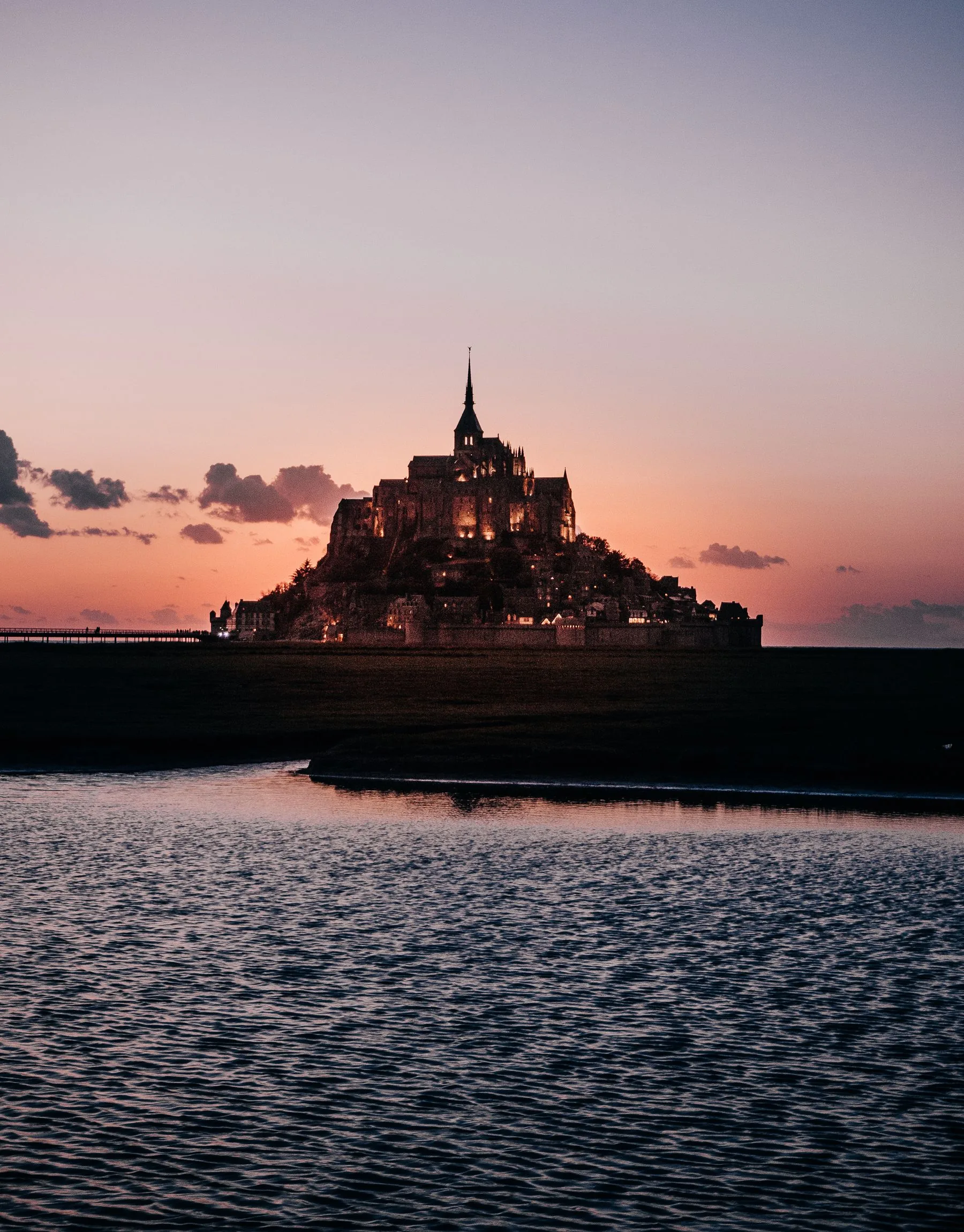
Mont-Saint-Michel is a place where the view changes with the bay, the sky and the flow of people along the approach. The best time to visit depends on which parts matter most to you: walking the village, exploring the abbey, seeing changing water, or finding room to pause and take in the setting.
There is no dependable formula that guarantees an island surrounded by water at the moment you arrive. Tides follow a changing cycle, while weather, season, daylight and visitor levels add their own variables. Treat the bay as a living landscape rather than a timed spectacle, and make the visit worthwhile whether the water is near or far.
Understand the tide as a changing condition
The bay’s broad tidal range is part of what makes Mont-Saint-Michel so distinctive. Water and exposed flats shift through the cycle, changing the island’s relationship with the surrounding landscape and the impression from the causeway, village or distant viewpoints. The precise appearance on a chosen date depends on the actual tide and local conditions; an evocative photograph should not be read as a promise of what you will see at a certain hour.
If watching the bay is important, consult current official tide information for your date and understand what the forecast describes. Build flexibility into arrival and departure rather than trying to force every part of the day around a single predicted scene. Tides are not an invitation to walk out across the bay independently: shifting channels, quick-moving water and soft ground make unsupervised crossings hazardous. Do not attempt a crossing on your own; use qualified, officially recommended guidance if you are considering a bay walk.
The island itself remains interesting at different stages of the tide. Look for how the broad horizon, channels and reflections alter the view, and keep the abbey and village in your plan rather than making one water-level moment the sole reason for visiting. Our Mont-Saint-Michel overview introduces the place, while the visitor information page is a useful place to check practical arrangements.
Daylight changes the mood and your margin
Day length varies through the year. More daylight can make it easier to take your time over an approach, village walk and abbey visit, while a shorter winter day encourages sharper choices about what to prioritize. Low-angle light can emphasize stone, roofs and bay textures; a bright midday sky can make the setting feel more open. Clouds, haze and weather may change the result entirely.
Consider daylight when deciding whether to add a long stop before or after the island, especially if you have a substantial return journey. Leave time for the shuttle or walk between the mainland arrival area and the island, the climb through the village and your abbey entry slot. Confirm the current access details instead of relying on an old schedule, and do not assume the last part of the day will match a photo you have seen.
Crowds: season and timing can both matter
Visitor density changes with holidays, tour itineraries, weather and the broader travel season. Busy periods may make the narrowest village passages feel especially slow, but a quieter-looking approach does not guarantee an empty abbey or a calm lane later. Crowd expectations are best handled as a comfort question, not a prediction.
If you prefer a less compressed experience, consider dates outside the most popular travel periods where your plans allow, and be flexible about when you pause. Arriving earlier or later may shift the experience, but no time of day guarantees solitude. Follow local instructions, leave room for people passing on steep streets and allow more time than a map alone suggests.
Make the day work in any conditions
- Check tide and weather information close to your visit, without expecting a guaranteed visual effect.
- Consider daylight when planning the length of your island visit and return journey.
- Expect visitor numbers and walking pace to vary; build in time for pauses.
- Never cross the bay independently; changing ground and water can be dangerous.
Let your priorities set the season
If you value a longer day for exploring, compare dates with more available daylight and still check the forecast. If the abbey’s architecture is your priority, choose a date that suits your wider travel plans and make sure your timed entry and transport leave a realistic margin. If the bay is central to your interest, use a tide forecast as context rather than a guarantee, and remember that the island is not a safe setting for an unguided crossing.
The history guide offers context for what you see on the summit, and our article on abbey and village experiences helps decide how to divide your time. For a practical route from the nearest city or Paris, see the day-trip planning guide. Official details for the abbey’s time slots are available via the official admission information.
Check the day’s conditions
Use current visitor information and tide guidance, then keep your expectations and itinerary flexible.
Visitor InformationSources & Verification
Tide, weather and crowd conditions vary. Check current information before travel; no particular tide appearance, opening time or quiet period is promised here. Bay crossings should not be attempted independently.
- Practical information — Mont-Saint-Michel Abbey
- The Abbey of Mont-Saint-Michel — local tourism office
- Official abbey ticket service
Last Reviewed: 27 September 2026