Two houses, two ways to read Gaudí
Casa Batlló vs La Pedrera: Which Gaudí House Fits Your Visit?
They stand along the same Barcelona avenue, but they offer different architectural moods. Choose by the kind of space you want to experience, not by a universal “best.”
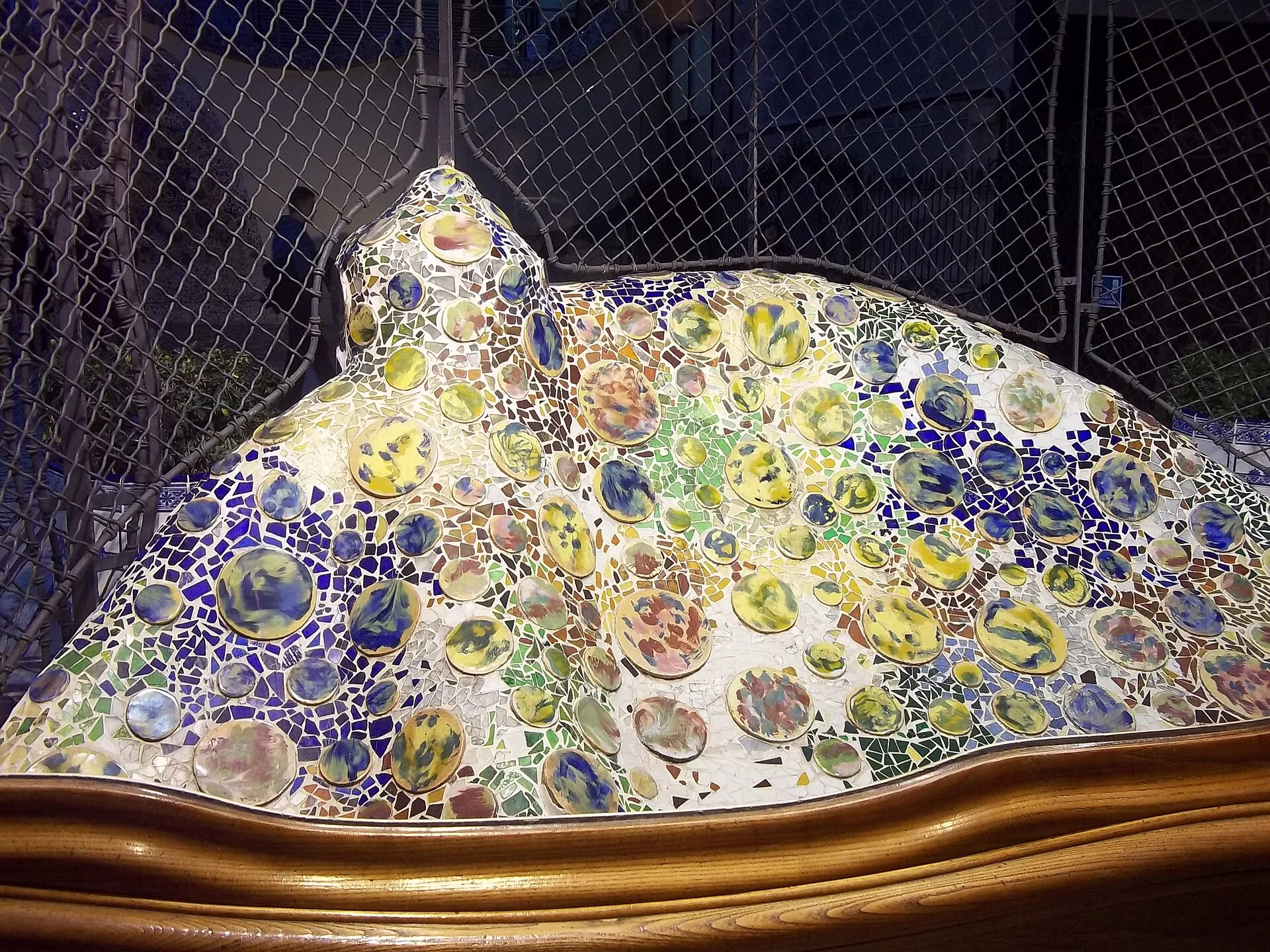
Casa Batlló and Casa Milà—better known as La Pedrera—are both works by Antoni Gaudí on Passeig de Gràcia and both belong to UNESCO's property of the Works of Antoni Gaudí. They are close enough to compare in one city stay, but comparison should sharpen their differences rather than flatten them into a contest.
Casa Batlló: domestic intimacy transformed
Casa Batlló began as an existing residence. Josep Batlló commissioned Gaudí to transform it; the official history says the work carried out between 1904 and 1906 included a redesigned facade, redistributed interior partitions and an expanded light well. The resulting visitor experience is strongly interior: rooms, thresholds and daylight build a sequence that draws you inward and upward.
Choose Casa Batlló if the thought of a richly composed house appeals to you—spaces that feel close to the scale of living, joined by an unusually continuous visual language. The visit's sensory character is part of its story. Give attention to the central light well and the way the light changes with height, rather than rushing only toward the roof.
La Pedrera: monumental mass and roofscape
La Pedrera, or Casa Milà, is a later Gaudí work, constructed in the first decade of the twentieth century. Its undulating stone exterior gives the apartment building a powerful, almost geological presence on the street. The official visit describes a route through the building and features such as the rooftop, attic and apartment spaces; verify the current visitor route because included areas can change.
It may be the stronger fit if you are drawn to the scale of an apartment house, its structure and communal spatial organisation, or the sculptural rooftop skyline. Where Casa Batlló feels intimate and theatrically detailed, La Pedrera's massing and roof create a broader architectural panorama. Those are tendencies, not rules: each contains both intricacy and grandeur.
A practical comparison
| Consider | Casa Batlló | La Pedrera |
|---|---|---|
| Starting point | Renovation of an existing home, 1904–06 | Apartment-house project with a strongly sculptural exterior |
| Look for | Interior transitions, central light well and intricate domestic details | Undulating stone frontage, attic and roofscape |
| Experience emphasis | A concentrated, immersive house visit | A larger building route and elevated architectural views |
| Best question | How can a home become a continuous work of art? | How does an apartment block become an expressive urban form? |
That comparison is about architectural emphasis rather than a guaranteed duration, crowd level or available space. Check each site's current route, admission terms and access information for your date before planning both in one day. If you have only time for one interior, choose according to the spaces you want to spend time inside.
Can you visit both?
They are located along Passeig de Gràcia, so a neighbourhood walk can connect them. That geographic convenience does not make two consecutive timed visits effortless: build in time for arrival, the full experience at each house and a break between them. If you are especially interested in photography or architecture, allowing each building its own attention is often more satisfying than racing between check-ins.
For a single-house visit, start with our Casa Batlló field guide. If its architectural character wins you over, the Casa Batlló official ticket and visit-options guide explains how to check what's included.
A final way to choose
Picture the scene you most want to remember: a sequence of crafted interiors and coloured light, or a sweeping rooftop and a monumental residential facade. Casa Batlló and La Pedrera answer those impulses in different ways. Neither needs to be declared the winner for both to make sense in a Barcelona itinerary.
Primary sources and further reading
Architectural chronology and current visitor routes can be checked on the properties' official pages. For heritage context, UNESCO's inscription explains the shared listing.