When Schönbrunn
feels most like itself
There is no single perfect hour. Choose the season for the combination you want: furnished interiors, open air, garden life or a gentler itinerary.
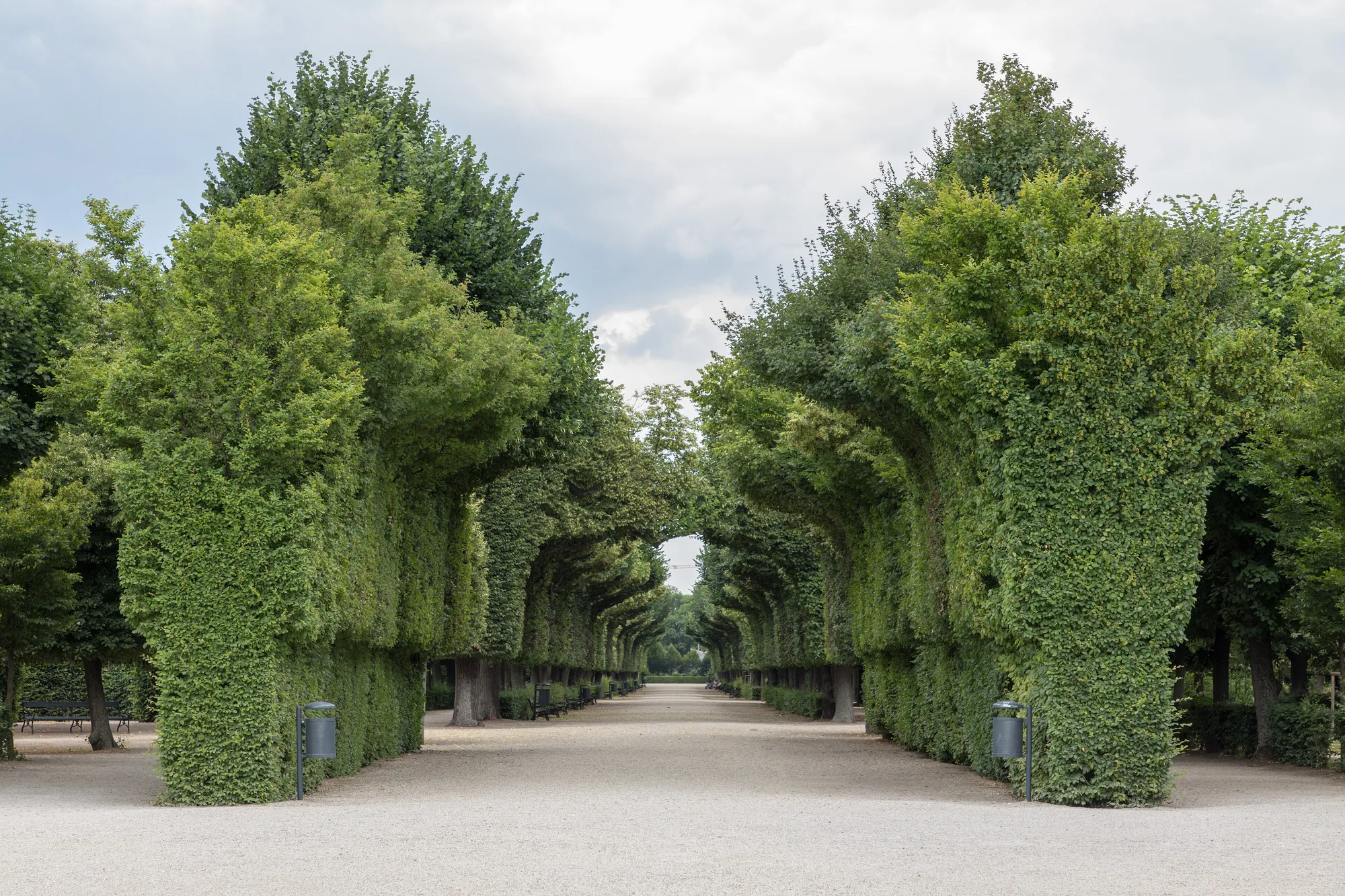
The best time to visit Schönbrunn depends on what you mean by “visit.” Do you want to move through the furnished palace rooms, follow the formal garden axis outdoors, see particular gated attractions, or take in the whole estate at an unhurried pace? The answer changes with the season, but not in a way that can be reduced to a guaranteed quiet hour or a precise flowering date.
Think of the palace, the freely accessible park paths and ticketed garden attractions as three related plans. Palace admission has fixed entry times, while the park and individual attractions keep their own seasonal schedules. Begin with the date you can travel, then check the operator’s current opening information for every part of the visit you hope to include.
Spring: look for the garden coming back to life
Spring gives the outdoor spaces a sense of transition. The geometry of the formal beds and paths is already clear, while planting and foliage gradually change the colour and texture of the view. This can be a rewarding time to follow the axis from the palace toward the upper garden and notice where the landscape becomes more intimate.
Do not make your visit depend on a particular flower being in bloom. Weather, horticultural schedules and maintenance alter what is visible from one year to the next. Some enclosed attractions also have seasonal access. Check the official opening page close to your date, especially if a ticketed garden site rather than the main park is the focus of your visit.
Summer: more room for the full grounds
Longer daylight makes it tempting to combine a palace interior with a substantial walk outside. Tree-lined paths and the long view to the Gloriette can feel like a second visit rather than an afterthought. Summer may therefore suit visitors who want to combine several parts of the estate, provided they have checked that the attractions they hope to enter are operating on that day.
That larger plan can also mean more time outside, warmer weather and more people sharing the best-known viewpoints. Carry water and sun protection, leave margin around a fixed palace entry time and avoid treating a pass that lists many attractions as proof that every stop will comfortably fit into one day. A smaller route may make the palace and gardens more memorable.
Autumn: quieter light, changing schedules
As daylight shortens, trees and lawns change the mood of the park. The palace façade and the Gloriette remain strong visual anchors when some of the flower displays have faded, and a walk can feel more focused on architecture, scale and distance. The season is not a promise of empty grounds; visitor numbers still vary with weekends, holidays, events and city travel patterns.
Some paid garden attractions adjust their availability or hours across the year, so do not transfer a summer plan directly into autumn. If a particular enclosure, terrace or conservatory matters to you, look it up by name on the official schedule rather than assuming it follows the palace’s daily admission window.
Winter: let the rooms carry the day
In winter the garden’s structure comes forward. Without the same density of leaves and planting, the Baroque lines, statues and long sightlines can be easier to read. The Palace Park remains a year-round destination according to the operator, though its opening hours vary seasonally and individual facilities or attractions can have shorter seasons.
It is sensible to make a timed palace visit the anchor of a colder day, then add an outdoor section that suits the current weather and available daylight. Check official notices for fountains and seasonal features instead of expecting a display to be operating. If conditions are wet, icy or especially cold, shorten the exposed walk and leave a comfortable route back to public transport.
Crowds and light: plan for flexibility
No hour guarantees a quiet palace or open path. Arrivals tend to be shaped by the season, group tours, weekends and special events, and even online tickets cannot promise immediate entry or a crowd-free interior. The official ticket system uses fixed admission times; arrive with a margin, follow the instructions on the ticket and keep a nearby alternative in mind if the day changes.
Likewise, the best light at the garden axis depends on cloud, time and what you prefer to photograph. Rather than designing the visit around a sunbeam or exact sunset, make a simple choice: a daytime route with time for the garden, or an interior visit paired with a shorter walk.
Make the choice against live information
Before paying, compare the current room tour with any paid garden attractions you want to enter. The grounds’ general paths are free during opening hours, while specific enclosures require separate admission or a pass that lists them. Our ticket-options guide explains that distinction; our visitor-information page covers arrival and access. For a self-guided sequence that leaves the schedule some room, see our Palace Park route.
The operator’s current opening-times page is the final word on seasonal schedules. Check it near departure and again if the visit depends on one enclosed site. Choosing a season is less about finding the one perfect moment than matching the place to the kind of day you want to have.
Pick your scale of day
Start with a ticket and a route that leave enough space for the landscape.
Sources & verification
The general seasonal guidance is not a promise of crowd levels, blooms or weather. Opening times and attraction availability are changeable; confirm the live operator information for your chosen date.
- Opening Times — Schönbrunn Palace
- The Gardens — Schönbrunn Palace
- Tickets & Tours — Schönbrunn Palace
Last reviewed: 27 September 2026