Best Time to Visit
the Pantheon
The oculus makes daylight part of the architecture, but light is only one consideration. Think about crowds, the weather outside and the Pantheon’s continuing role as a church.
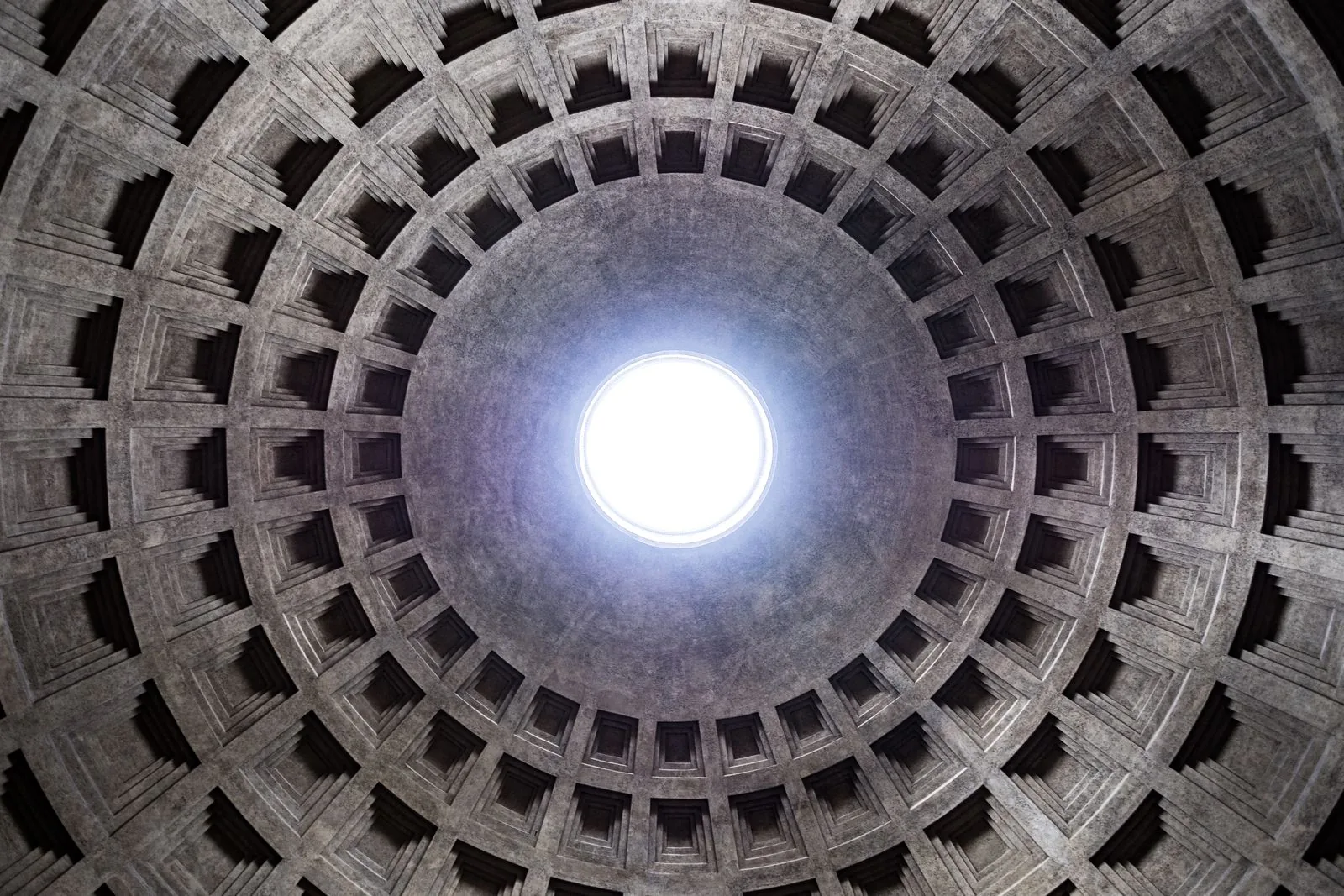
There is no universally quiet or perfectly lit moment at the Pantheon. The most rewarding time depends on what you want to notice: the slow movement of daylight across the interior, the ease of moving through a busy room, or the feeling of entering a living place of worship.
The Pantheon is both a major Roman monument and a church. Its museum administration and the Diocese of Rome jointly manage it, and liturgies can change visitor access. Build flexibility into your plan and check the official visitor notices before setting out.
Daylight through the oculus
The open oculus is the rotunda’s central source of natural light. As the sun changes position, the illuminated area and the balance of light across the dome and floor change too. This makes a visit feel different over the course of the day, though a particular shaft of sunlight is never a dependable appointment: season, cloud cover and the sun’s angle all matter.
If observing that changing light is important to you, choose a visit with enough room in your itinerary to pause and look around rather than rushing through. A bright day can make contrasts pronounced; on an overcast day, the interior may feel more evenly subdued. Do not plan around a guaranteed photographic effect.
Crowds: plan for variation, not certainty
Visitor numbers can rise and fall with the season, the day, local events and tour-group schedules. Midday often overlaps with many city sightseeing plans, while a quieter impression at another point is possible but not assured. Even when the entrance area looks manageable, the historic interior is a shared space and can feel busy.
If you prefer a more contemplative visit, avoid making the Pantheon the one fixed point in a tightly packed day. Check the current admission arrangements, allow room for possible waiting, and have a nearby alternative in mind. The official process and identity requirements are explained in our official entry guide; for practical details, see Pantheon visitor information.
Season, temperature and rain
Rome’s warmer months bring longer daylight and can make an outdoor walk between sights more demanding. In cooler months, the city’s daytime light is shorter and weather can be changeable. Spring and autumn often feel like a useful compromise for a walking itinerary, but neither season guarantees mild conditions or fewer people.
Check a local forecast close to the day and dress for the whole outing, not only the indoor visit. Rain or strong sun can affect the walk to the piazza and your comfort while waiting outside. Because the oculus is open to the sky, weather is part of the building’s experience; bring an adaptable plan rather than assuming the interior will be sealed off from conditions above.
Remember worship and visitor etiquette
Religious services are not simply another crowd pattern: they can alter when or how sightseeing access is possible. Confirm the latest official notice before arrival, and be prepared to rearrange your visit if access changes. During a visit, keep voices and behaviour respectful, wear appropriate clothing and do not bring food or drink into the monument, as stated in the official rules.
A good visit is therefore less about finding a magic hour than arriving informed and giving the space your attention. Read the history of the Pantheon before you go, and use the main Pantheon guide to connect your visit with the rest of the site.
Plan a flexible visit
Check the current official admission and visitor notices before choosing the day and fitting the Pantheon into your Rome itinerary.
Sources & Verification
Official management, admission and worship guidance is subject to change. Crowd and daylight observations are planning considerations, not promises of particular conditions. No fixed hours or prices are stated.
Last Reviewed: 27 September 2026