When to Visit
the Acropolis
The most satisfying hour depends on weather, your entry slot and what you want to notice. The hill has no reliably quiet or perfectly comfortable appointment.
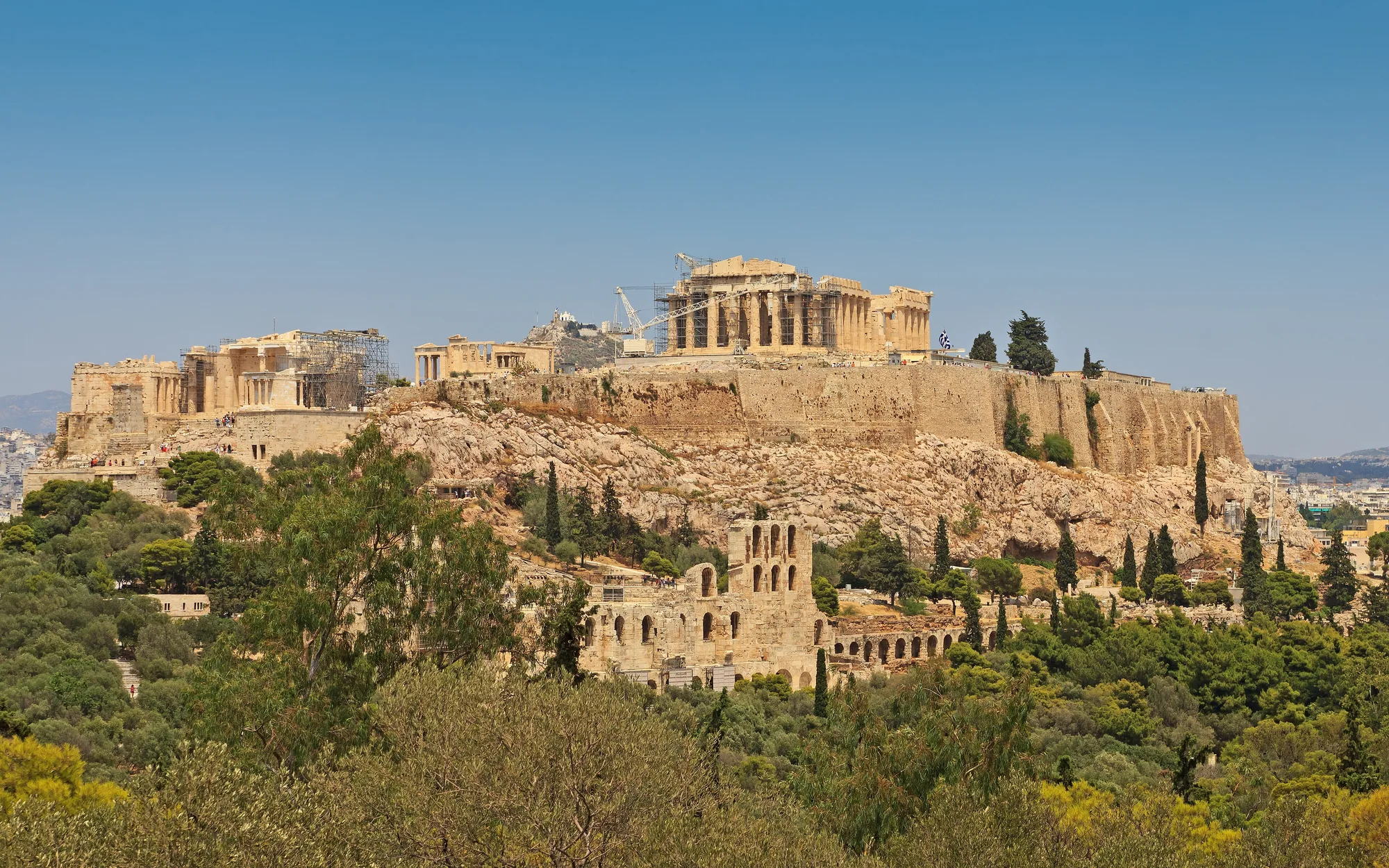
The Acropolis rewards unhurried attention—but “best time” is not a single date or secret hour. The site is an exposed archaeological hill, the weather changes, and admission is scheduled. Plan around your own comfort and the live entry rules rather than chasing an online promise of an empty summit.
First, build the day around the booked slot
Hellenic Heritage currently requires timed entry for the archaeological site. Choose from the availability on its official booking page, then let the selected time anchor the rest of your day. Read the ticket’s current arrival window and admission instructions carefully, and allow margin to reach the right entrance. A slot is a useful organizer, not a guarantee of an immediate, crowd-free route after validation.
Keep your timing realistic. Add space for security or ticket checks, the ascent itself and pauses to look. Do not schedule a second ticketed experience so tightly that a change to access, temperature or your own pace becomes stressful. The official ticket guide explains where to verify the conditions shown for your booking.
Think about exposure before choosing a season
The hill has long stretches under open sky, and the climb is more demanding than a short walk around a shaded museum gallery. In hotter months, consider your tolerance for sun and heat: you may prefer a slot that avoids the most intense part of your own day, but conditions and availability vary. Wear comfortable, secure shoes for uneven stone; check the forecast close to arrival and follow any heat or weather notices posted by the site.
Cooler or shoulder-season dates may make an outdoor visit more comfortable for some travellers, but they cannot promise smaller crowds, blue skies or uninterrupted access. Rain can make hard surfaces feel different underfoot. Wind, maintenance and conservation can affect exposed monuments at any point in the year. Carry only what the operator allows and make hydration and sun protection part of a broader Athens plan.
Let the quality of light be a bonus
Light changes how the limestone and marble read: the Parthenon may feel sharply articulated when the sun is high, while lower light can bring out texture and relief. Yet every forecast photo selects a particular sky and position. Cloud, haze, ongoing work and the exact route will alter what you see. Come for the monuments first; treat a specific photographic effect as a fortunate extra.
For detail, look at edges and surfaces: traces of carving, drum joints, the relation between the Parthenon and the Erechtheion, and the way the Propylaea frames the entrance. A quiet interval to look is often more valuable than racing to recreate a familiar postcard angle. The main paths carry visitors both ways; step aside only where signed routes allow, and never cross barriers for a better photograph.
Accept that visitor numbers change
Demand varies with school holidays, cruise arrivals, tour schedules, weather and season. Early or late slots can appeal to travellers, which means they are not automatically quiet. Weekdays do not guarantee an uncrowded hill, and a slow-moving group can concentrate people around one monument. Choose a visit time you can comfortably keep, not one you selected only because someone claimed it would be empty.
If you want a more reflective experience, travel outside the tightest part of your own itinerary. Build small pauses in your route and stay open to looking at a less famous corner while others gather by the best-known façade. Respect the site's access boundaries and instructions; a photograph from the wrong side of a rope is never worth damaging the place.
Pair the hill with the museum thoughtfully
The Acropolis Museum is a separate visit with its own admission and official schedule. Many travellers appreciate seeing the hill first and then spending time with objects and sculpture in the Museum, but there is no mandatory order. If the archaeological site’s exposed setting feels demanding, leave enough flexibility for a proper break before entering the galleries—or arrange the two for different parts of your trip. Verify both official pages close to your date.
In short, the best time is a workable booked slot, matched to the weather, your mobility, energy and curiosity. Use the official Acropolis visit page and ticket store for current operating information; use our visitor guide for practical context on the hill.
Plan for the hill, not the myth of perfect timing
Check the live official time slot and prepare for the current conditions.
Read visitor informationSources & verification
The site’s timed-entry rules and operations change. Confirm the conditions in effect for your date directly with the official operator.
Last reviewed: 27 September 2026